

Landpros Landscape Concepts and Design
Bring Your Old Pavers Back to Life
✔ Professional Cleaning, Sanding & Sealing
✔ Affordable & Long-Lasting Results
✔ Sealing and Restoring Pavers, Travertine & Flagstone
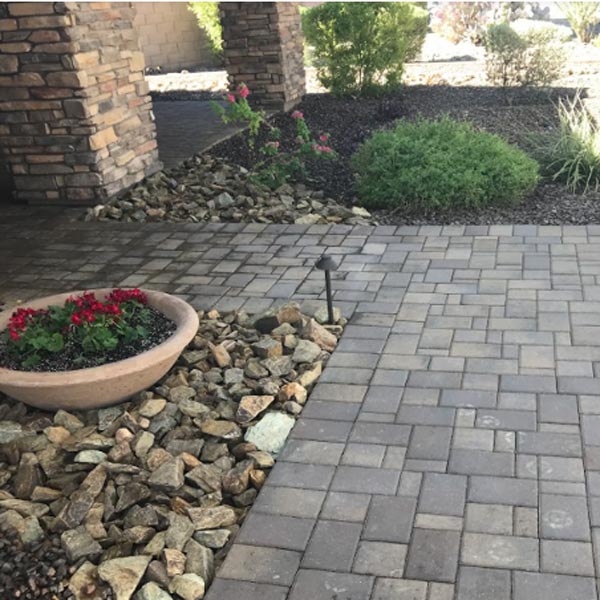
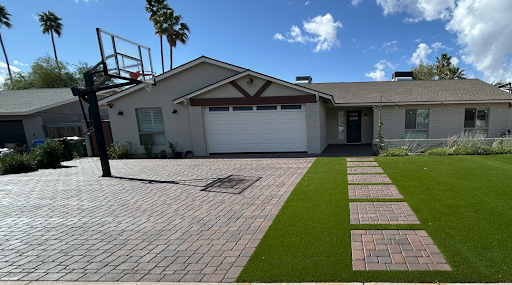
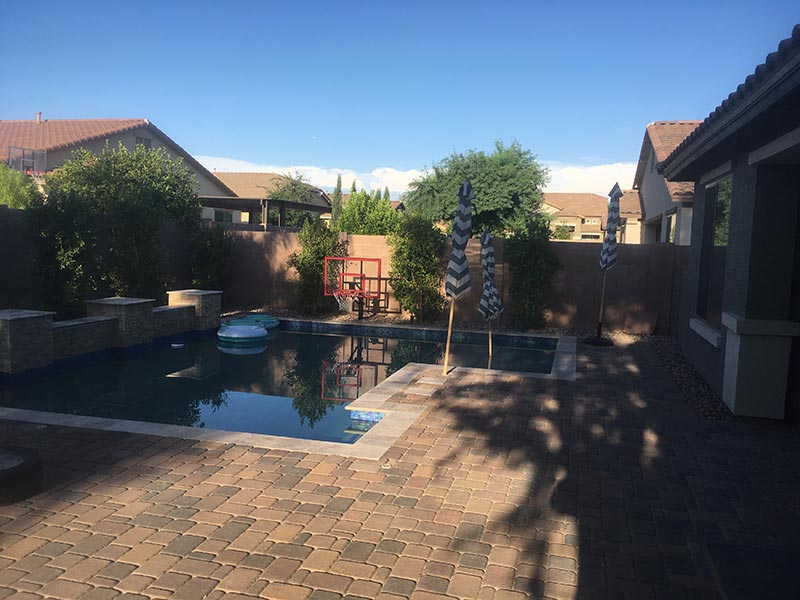
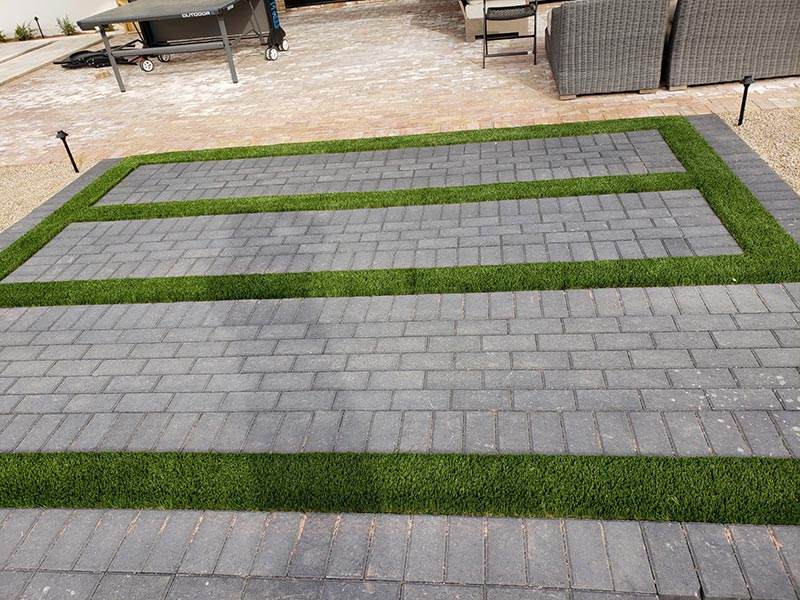
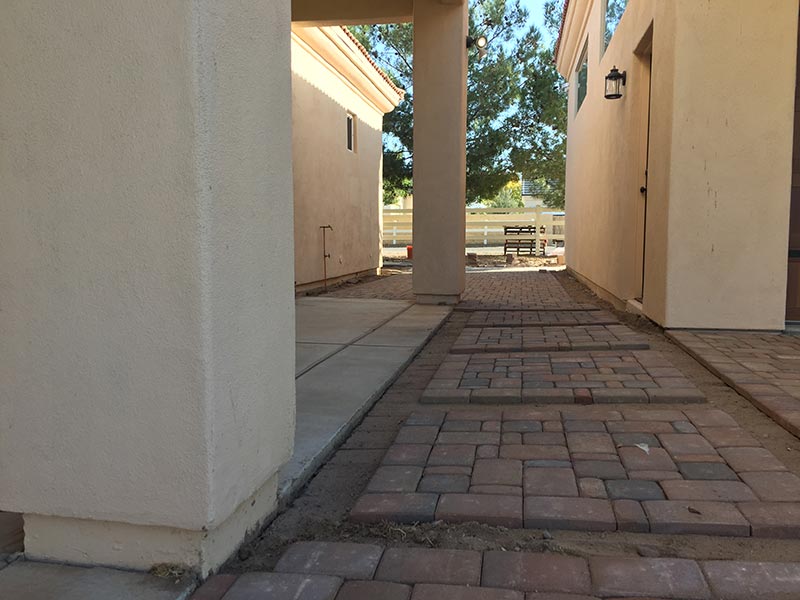
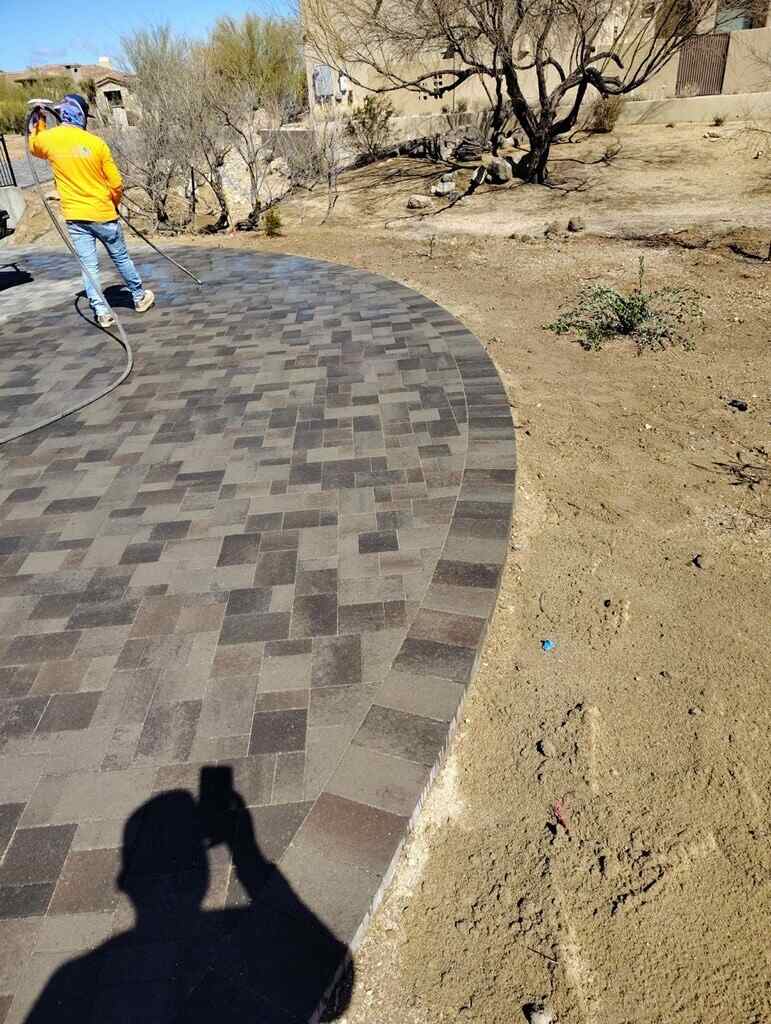
Don’t rip out your patio, driveway, or sidewalk—restore it instead! Our expert paver restoration services professionally clean, re-sand, and seal your existing hardscape, bringing back its original beauty while protecting it from wear, stains, and the elements for years to come.
Our 3-Step Paver Restoration Process
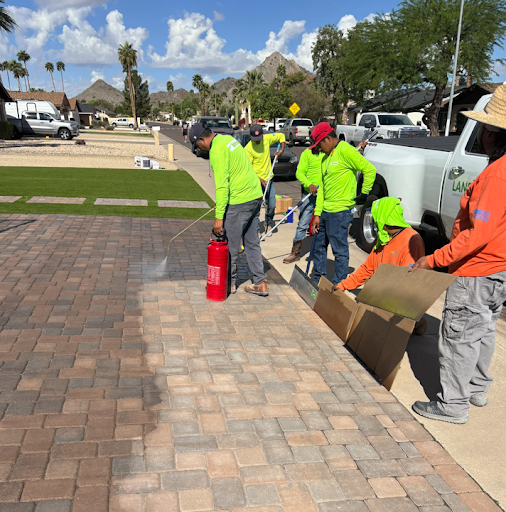
01. Deep Cleaning
Removes mold, stains, dirt, and efflorescence to reveal the original color of your pavers.
02. Joint Sanding
Replaces old or missing joint sand as needed to stabilize pavers and help prevent weed growth.
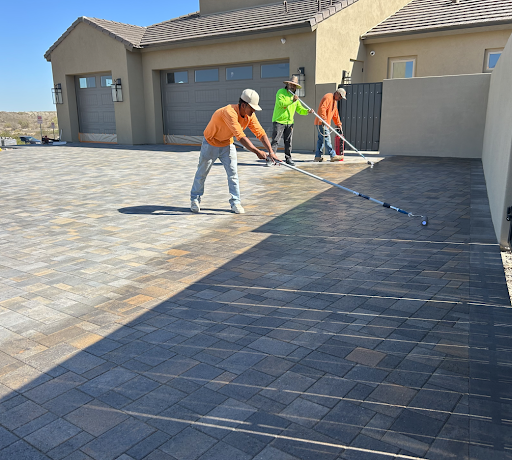
03. Professional Sealing
Enhances color, adds long-lasting protection, and locks in a clean, polished finish.
Why Choose Us?
Trusted by homeowners across Arizona,
- 10+ Years of Experience
- High-Quality Sealants
- Local, Licensed, and Insured
- Fast Turnaround. No Mess. No Hassle.
- Sealing and Restoring Pavers, Travertine and Flagstone
Benefits of Sealing Pavers
Applying a quality sealant is one of the best ways to protect your investment. Whether it's a patio, driveway, walkway, or poolside area, sealing helps preserve appearance, resist stains, and extend the life of your pavers. Learn the key benefits and best practices below.
01.
Why Seal Pavers?
Concrete pavers are naturally porous, meaning they can absorb moisture and stains if left unsealed. A quality sealant not only helps resist stains but also preserves the color of the pavers from fading due to sun exposure.
02.
Are All Sealants Created Equal?
Not all paver sealers perform at the same level. Just because a sealant is from a well-known brand or sold at a major retailer doesn’t guarantee quality. It’s best to choose products from companies that specialize in paver care. For example, Techniseal® is widely respected in the industry for its research-backed formulas and long-lasting results.
03.
Which Sealant Finish Offers the Best Protection?
Sealants generally come in two categories:
- Film-forming (glossy or semi-gloss): These create a visible barrier over the pavers, offering strong protection.
- Non-film-forming (matte): These penetrate the paver surface for a more natural look while still offering reliable protection.
Both options are effective—your choice depends on the aesthetic you’re after and the level of gloss you prefer.
04.
Which Sealant Finish Offers the Best Protection?
Sealants generally come in two categories:
- Film-forming (glossy or semi-gloss): Creates a visible barrier over the pavers.
- Non-film-forming (matte): Penetrates the surface for a more natural appearance.
Both options provide excellent protection, depending on the finish you prefer.
05.
When to Seal New Pavers
- For non-film-forming products: Wait about 3 – 4 week after installation to fully cure and to get best results.
- For film-forming options: Let pavers cure for 3 – 4 weeks also, to avoid trapping moisture underneath to they fully cure.
06.
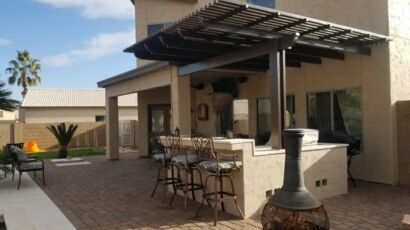
Do You Need to Prep Pavers Before Sealing?
Yes, even new pavers benefit from a good cleaning. Using a cleaner like Techniseal® Paver Prep ensures that the surface is free of dirt and efflorescence (white salt buildup), and that pores are open for proper absorption. For stains, treat them with the appropriate cleaner before applying the prep solution.
07.
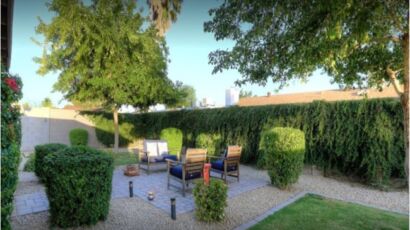
Dry Time Before Sealing
- Warm, sunny weather: A minimum of 24 hours is recommended, even on hot days.
- Cooler or shaded areas: Allow up to 2 days to dry fully before applying sealant on cooler days.
08.
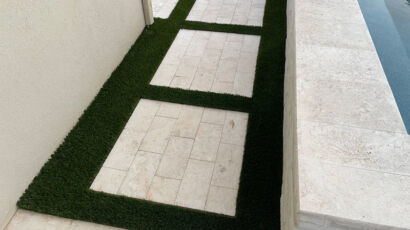
What’s the Best Weather for Sealing Pavers?
Aim for temperatures between 50°F and 90°F, with 75°F and sunny being ideal. If using a solvent-based sealant, slightly cooler temperatures can help slow evaporation for a smoother application.
09.
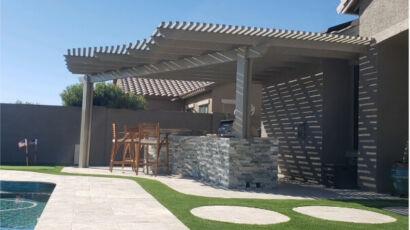
How Often Should You Reseal Pavers?
On average, every 2 – 3 years is sufficient. Watch for signs:
- Film-forming: Look for fading or wear in the glossy surface.
- Non-film-forming: If the pavers darken noticeably when wet, it may be time for a fresh coat.
Note: Pavers might still darken after a heavy rain even if properly sealed, but this isn’t necessarily a sign of failure—just give them time to dry.
Need Help?
Frequently asked questions
Find answers to the most common questions about our paver restoration, cleaning, sealing, pricing, and process. If you need more information, we’re just a call away.
How long does the paver restoration process take?
On average, our process takes about 1-2 days, depending on the size of the area and weather conditions.
How much does paver restoration cost?
The cost varies depending on the size of your project. Get in touch for a free, no-obligation quote.
Can you restore faded pavers?
Yes! Our restoration process brings faded and weathered pavers back to life, improving their color and appearance.
How long will the sealer last?
Typically, the sealer lasts 3-5 years, depending on the weather and usage. Many prefer to seal in 2 – 3 years to keep a fresh look.
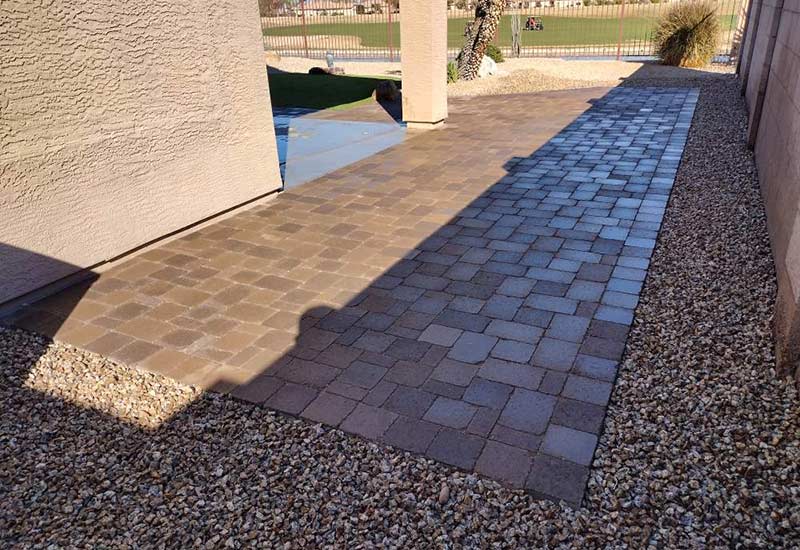
Ready to Fall in Love With Your Pavers Again?
Call us or request a quote today — we’ll make it easy.